The Benefits and Practices of Tree Farming Promoting Sustainable Forest Management
Tree farming, also known as forest farming or agroforestry, is a sustainable land management practice that involves growing trees for various purposes. These purposes can range from timber production to environmental conservation, making tree farms a versatile and valuable asset. Not only do tree farms provide economic benefits, but they also offer numerous ecological advantages. In this article, we will delve into the world of tree farming and explore its benefits and practices.
What is Tree Farming?
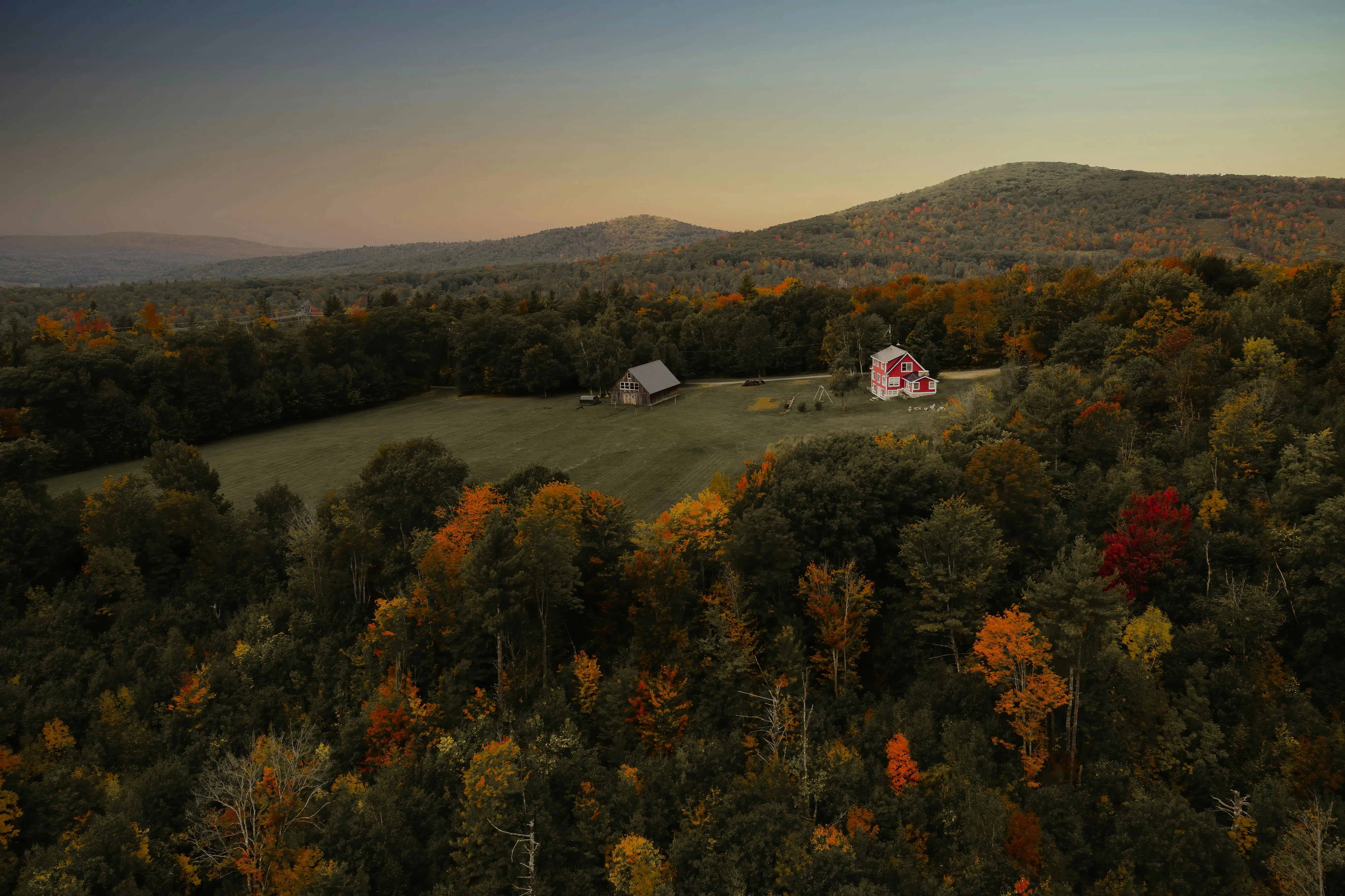
Tree farming is the practice of cultivating trees on a designated piece of land for commercial or personal use. It differs from traditional forestry in that it focuses on growing trees for specific purposes rather than just harvesting them for timber. It is a sustainable approach to forest management that aims to balance the economic, social, and environmental aspects of using forest resources.
Tree farms typically consist of a diverse mix of tree species, depending on the intended use. Some common tree species grown on tree farms include pine, oak, maple, and cedar. These trees are carefully selected and managed to optimize their growth and yield.
The Importance of Tree Farming
Tree farming is essential for promoting sustainable forest management. By growing trees on dedicated land, it reduces the pressure on natural forests for timber and other forest products. This helps to protect and preserve these vital ecosystems and the biodiversity they support.
Moreover, tree farming provides economic opportunities for local communities by creating jobs in the forestry industry. It also generates revenue through the sale of timber, which can be used for community development projects. Additionally, tree farming can contribute to carbon sequestration, helping to mitigate the effects of climate change.
How to Start a Tree Farm
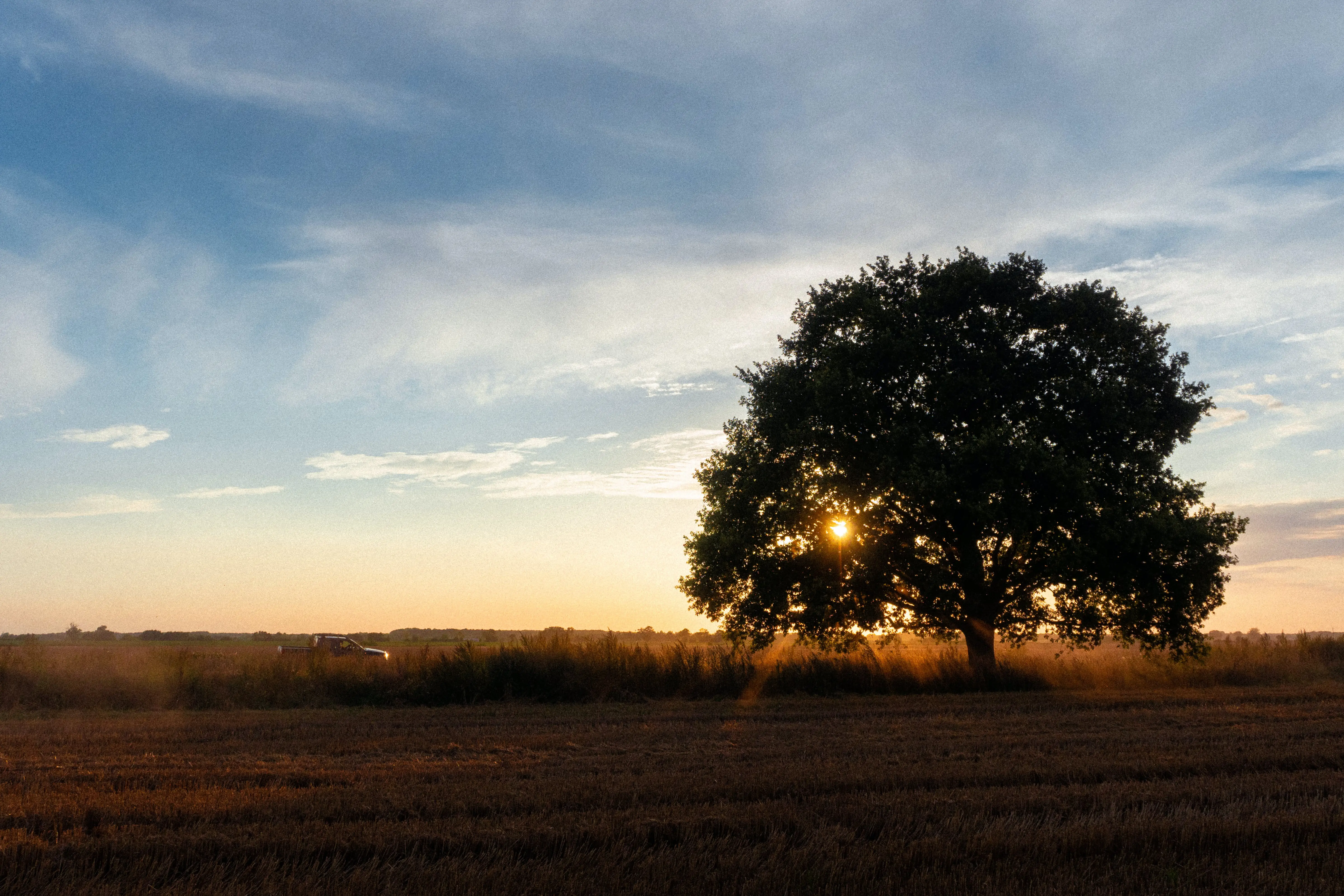
Starting a tree farm requires planning, knowledge, and resources. Here are some essential steps to consider when establishing a tree farm:
1. Site Selection
The first step in starting a tree farm is to select a suitable site. The location should have the necessary environmental conditions for tree growth, such as adequate soil, water, and sunlight. It is also crucial to consider the accessibility of the site for management and harvesting activities.
2. Choose Suitable Tree Species
Next, you need to select the appropriate tree species for your tree farm. Consider the climate, soil type, and intended use when choosing species. Some trees are more suitable for timber production, while others may be better for environmental purposes.
3. Planting and Managing Trees
Once you have selected the site and tree species, it's time to plant and manage your trees. This includes preparing the land for planting, spacing out the trees, and providing proper care and maintenance, such as weed control and fertilization.
4. Harvesting and Marketing
The final step in managing a tree farm is harvesting and marketing your trees. It is essential to have a plan in place for harvesting to ensure sustainability and maximize profits. Proper marketing strategies can also help to increase the value of your trees.
Examples of Tree Farming Practices
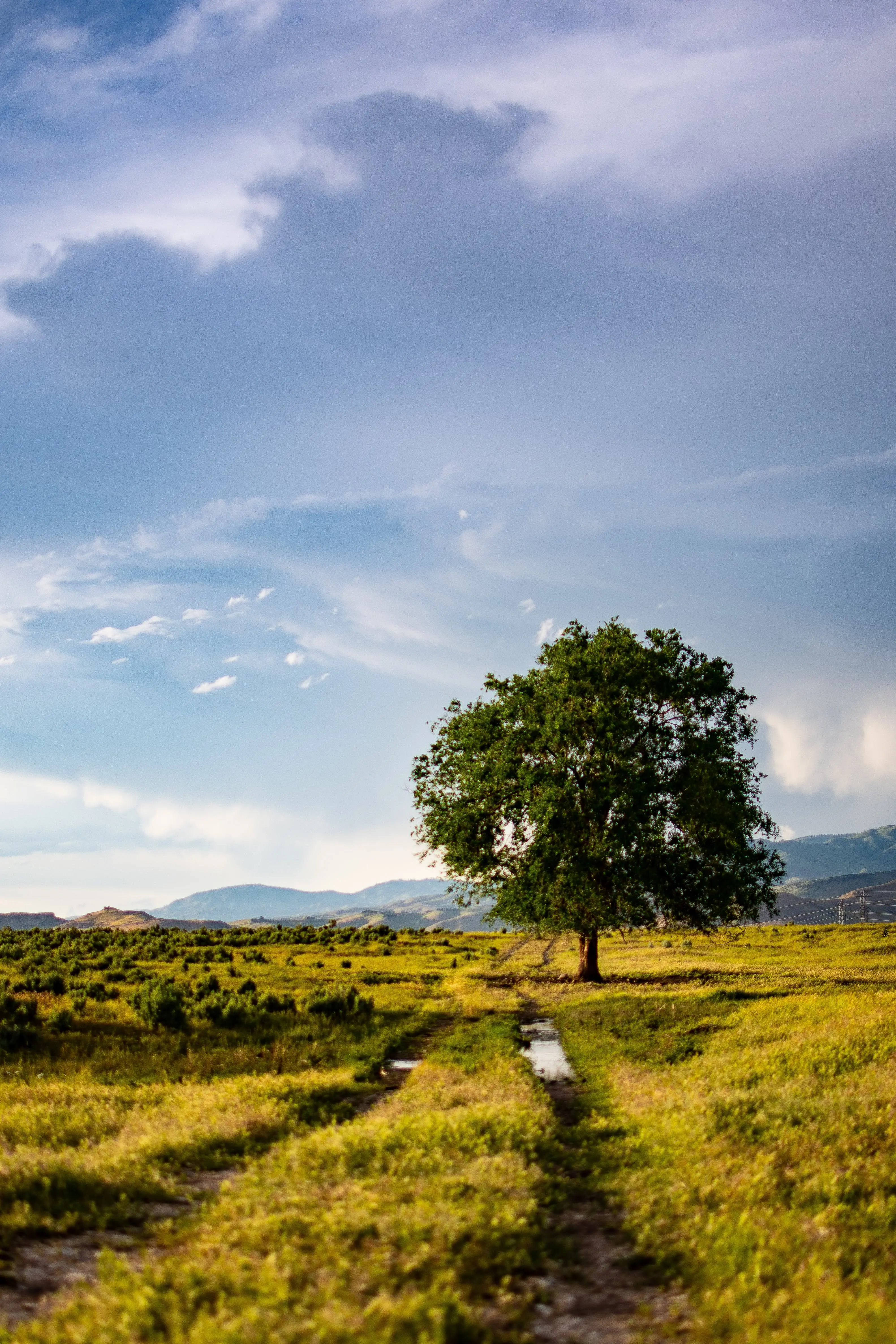
Tree farming can take various forms depending on the intended purpose and location. Here are some examples of tree farming practices from around the world:
1. Community-based Agroforestry in India
In India, small-scale farmers engage in community-based agroforestry, where they cultivate trees alongside crops to supplement their income. These trees serve as a source of fuelwood, fodder, and non-timber forest products, providing an additional source of income for the farmers.
2. Timber Production in the United States
In the United States, tree farming is primarily focused on timber production. Large tracts of land are dedicated to growing fast-growing tree species, such as pine, for commercial use. This practice helps to meet the demand for wood products while reducing pressure on natural forests.
3. Ecological Restoration in Brazil
In Brazil, tree farming is used for ecological restoration of degraded or deforested areas. This practice involves replanting native tree species to restore biodiversity and improve soil quality. It also helps to mitigate the effects of climate change by sequestering carbon.
How Tree Farming Compares to Traditional Forestry Practices
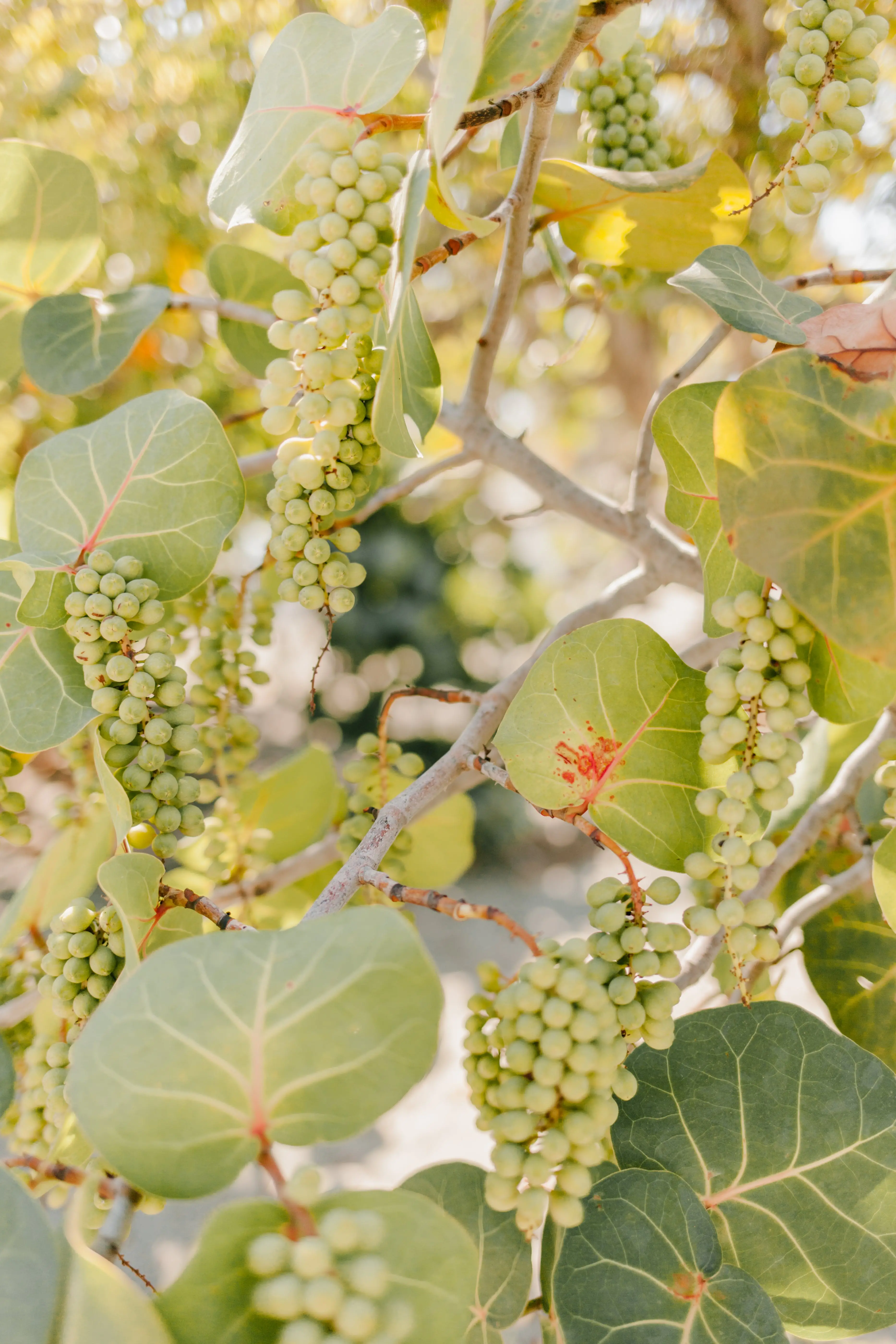
Tree farming differs from traditional forestry practices in several ways. Here are some key differences:
Purpose
The main purpose of tree farming is to grow trees for specific purposes, while traditional forestry focuses on harvesting trees for timber production.
Diversity
Tree farms typically consist of a mix of tree species, while traditional forestry often involves monoculture plantations of a single tree species.
Management
Tree farms require more intensive management practices compared to traditional forestry. Trees are planted closer together, and regular maintenance is necessary to ensure optimal growth and yield.
Environmental Impact
Tree farming has a lower environmental impact compared to traditional forestry. It takes up less space and can help to preserve natural forests.
Tips and Advice for Successful Tree Farming

Here are some tips for successful tree farming:
- Conduct thorough research and planning before starting your tree farm.
- Consider seeking professional advice from foresters or agroforestry experts.
- Choose suitable tree species for your site and intended use.
- Invest in proper management practices, such as weed control and fertilization.
- Monitor your trees regularly and make adjustments as needed.
- Have a sustainable harvesting plan in place to ensure the longevity of your tree farm.
FAQs about Tree Farming
Q: How long does it take for trees to mature on a tree farm?
A: The time it takes for trees to reach maturity depends on the species and intended use. Some species may take as little as 5-10 years, while others may take several decades.
Q: Can you harvest trees from a tree farm sustainably?
A: Yes, with proper planning and management, it is possible to harvest trees sustainably from a tree farm.
Q: Is tree farming profitable?
A: Yes, tree farming can be profitable, especially when diversifying income sources through the sale of timber, non-timber forest products, or eco-tourism activities.
Q: Can tree farms help mitigate climate change?
A: Yes, tree farms can contribute to carbon sequestration, helping to reduce the amount of carbon in the atmosphere and mitigate the effects of climate change.
Q: Can anyone start a tree farm?
A: Yes, anyone with the necessary resources and knowledge can start a tree farm. However, it is essential to research and plan thoroughly before starting to ensure success.
Tree farming offers numerous benefits for both human communities and the environment. By promoting sustainable forest management practices, it helps to conserve natural forests while providing economic opportunities. Whether you are interested in timber production, ecological restoration, or community development, there are various ways to utilize the benefits of tree farming. With proper planning and management, tree farming can be a profitable and sustainable practice for years to come.